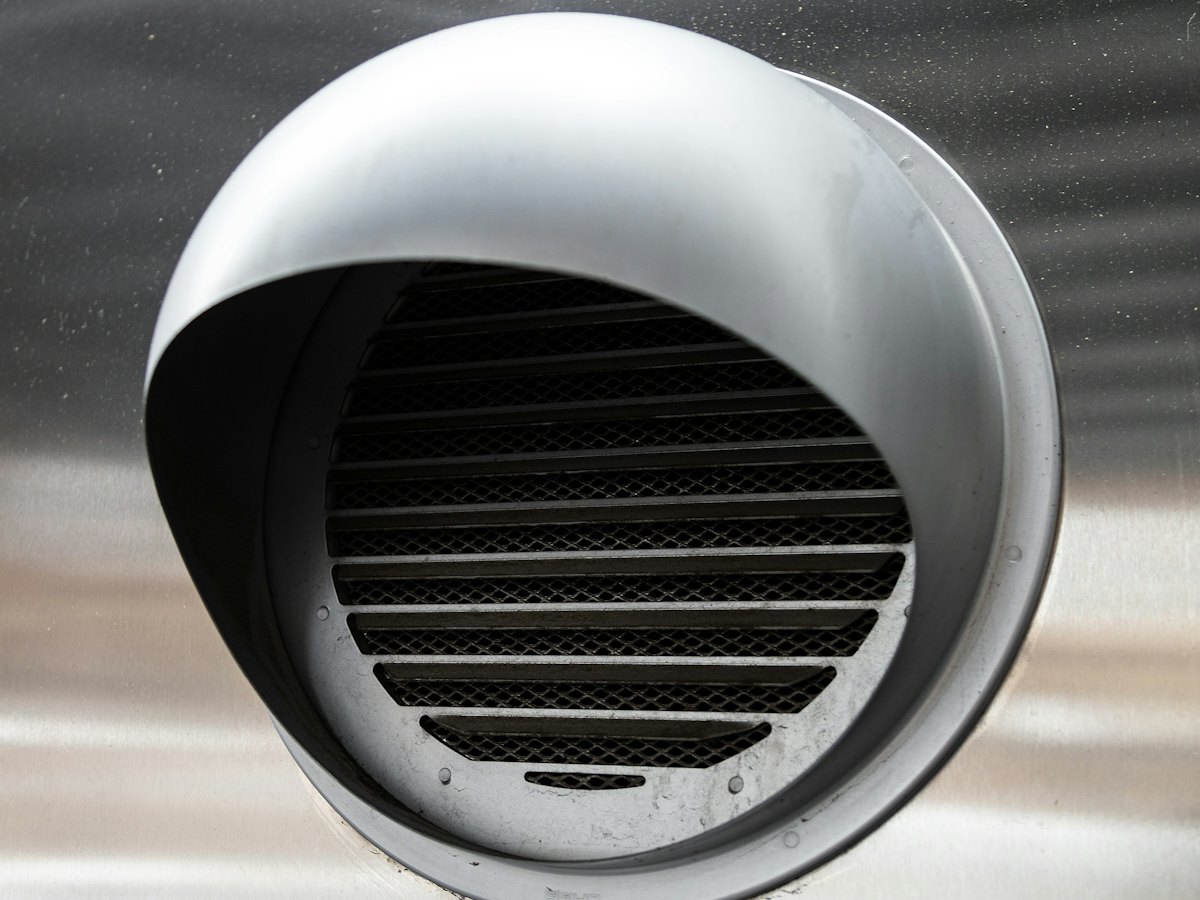
New and well-sealed houses hold heat well, but they also hold in moisture, cooking fumes and CO2. An HRV (heat recovery ventilator) or ERV (energy recovery ventilator) brings in fresh outdoor air and sends stale air out, passing both through a core that transfers heat between them. In January, the incoming −15°F air is warmed to about 50°F before it enters the ducts.
In Halden, we usually recommend an HRV for homes that are too humid in winter (condensation on windows, musty smells) and an ERV for homes that are already dry. Minnesota code has required mechanical ventilation in new homes since 2000, and many of those units have never been serviced.
Cold-climate units need defrost controls to keep the core from freezing. We install models rated for our climate and set them up so they don't blow cold air on anyone.
Signs you need this
- Condensation or frost on inside windows in winter
- Stale or stuffy air, lingering cooking smells
- You have a new, tightly built home
- Your existing HRV hasn't been cleaned in years
How it works
Assess
Humidity, CO2 and how tight the house is. HRV or ERV recommendation in writing.
Install
Unit, dedicated ducts or a connection to your furnace ducts, outdoor hoods, and controls.
Balance
We measure and balance supply and exhaust airflow.
Common questions
Won't bringing in outdoor air make my heating bill worse?
A little, but the unit recovers 60–80% of the heat. The trade is worth it for health and to prevent moisture damage.
How do I maintain it?
Clean the filters every 2–3 months and check that outdoor hoods are clear of snow. We clean the core once a year.
Is my existing HRV even running?
Many aren't. Check whether the control is set to off or intermittent. We can inspect and rebalance it.