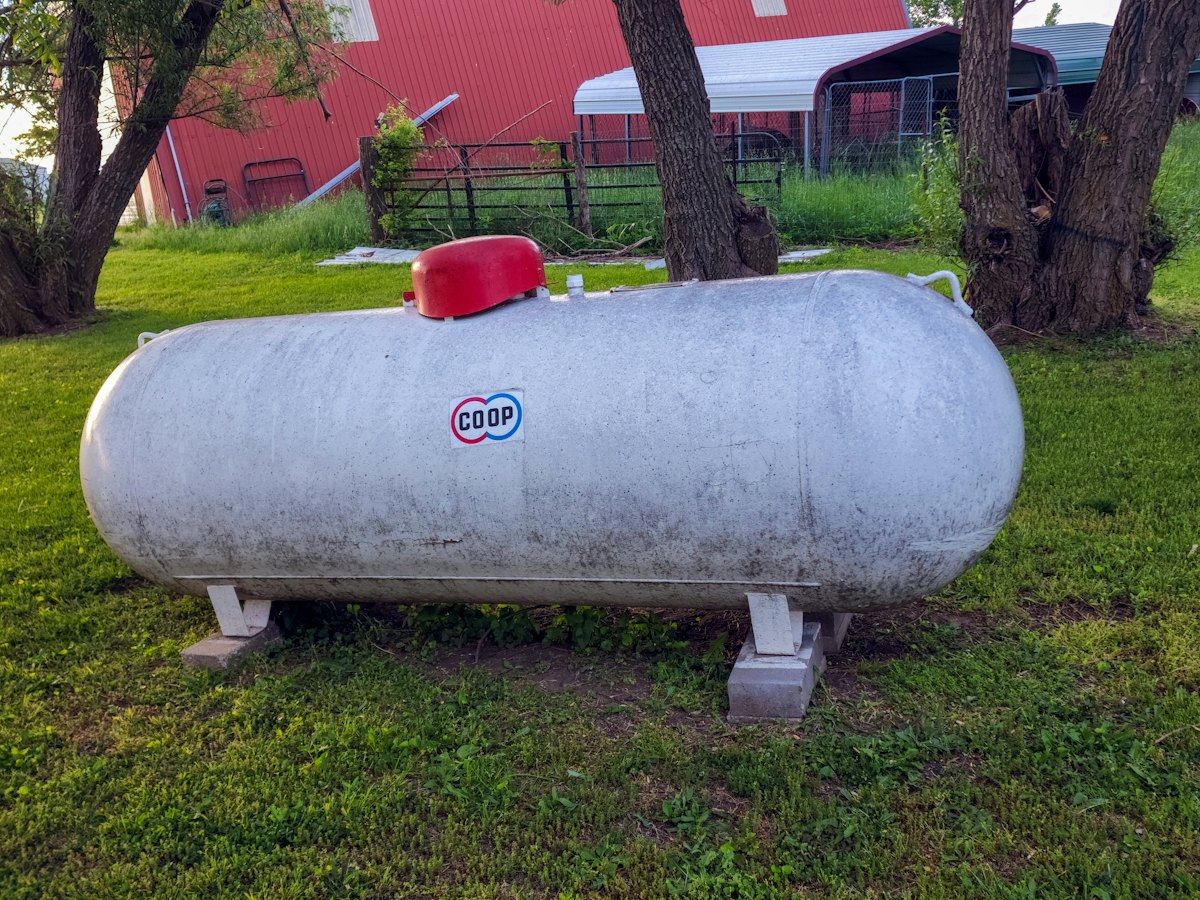
About a third of the homes we serve outside Halden are off the natural gas line: lake places around Marten Lake and Tamarack Bay, farms past Ferrum, newer homes in Aspen Hollow. They heat with propane or electric, and each has its own quirks.
Propane furnaces use a different gas valve and orifice than natural gas, and a unit set up for the wrong fuel runs dirty and dangerous. We convert and verify every one with a combustion analyzer. Electric furnaces are simple and quiet but expensive to run at −20°F, so we'll often suggest pairing one with a heat pump.
We coordinate with your propane supplier on tank size and regulator pressure so the new furnace gets what it needs on the coldest morning.
Signs you need this
- Your propane furnace leaves soot marks around the vent
- Electric heating bills over $500 a month in January
- Your propane tank empties faster than it used to
- You're moving from propane to electric (or the other way) and aren't sure what fits
How it works
Fuel and load check
We look at your tank or electrical panel and calculate the heat your house needs.
Options in writing
Propane, electric, or a heat pump pairing, with operating cost estimates for each.
Install and verify
Fuel conversion kit, combustion analysis, and coordination with your propane supplier.
Common questions
Which is cheaper to run, propane or electric?
At current Halden prices, propane is usually cheaper than an electric furnace alone, and a cold-climate heat pump with electric backup is cheaper than both. We'll run the numbers for your house.
Can my propane furnace be converted to natural gas?
Usually yes, with a manufacturer kit, if a gas line reaches your property. The conversion takes about two hours.
Do electric furnaces need maintenance?
Less than gas, but yes. Heating elements and their relays wear out, and a loose connection can scorch wiring. A yearly check takes about 45 minutes.