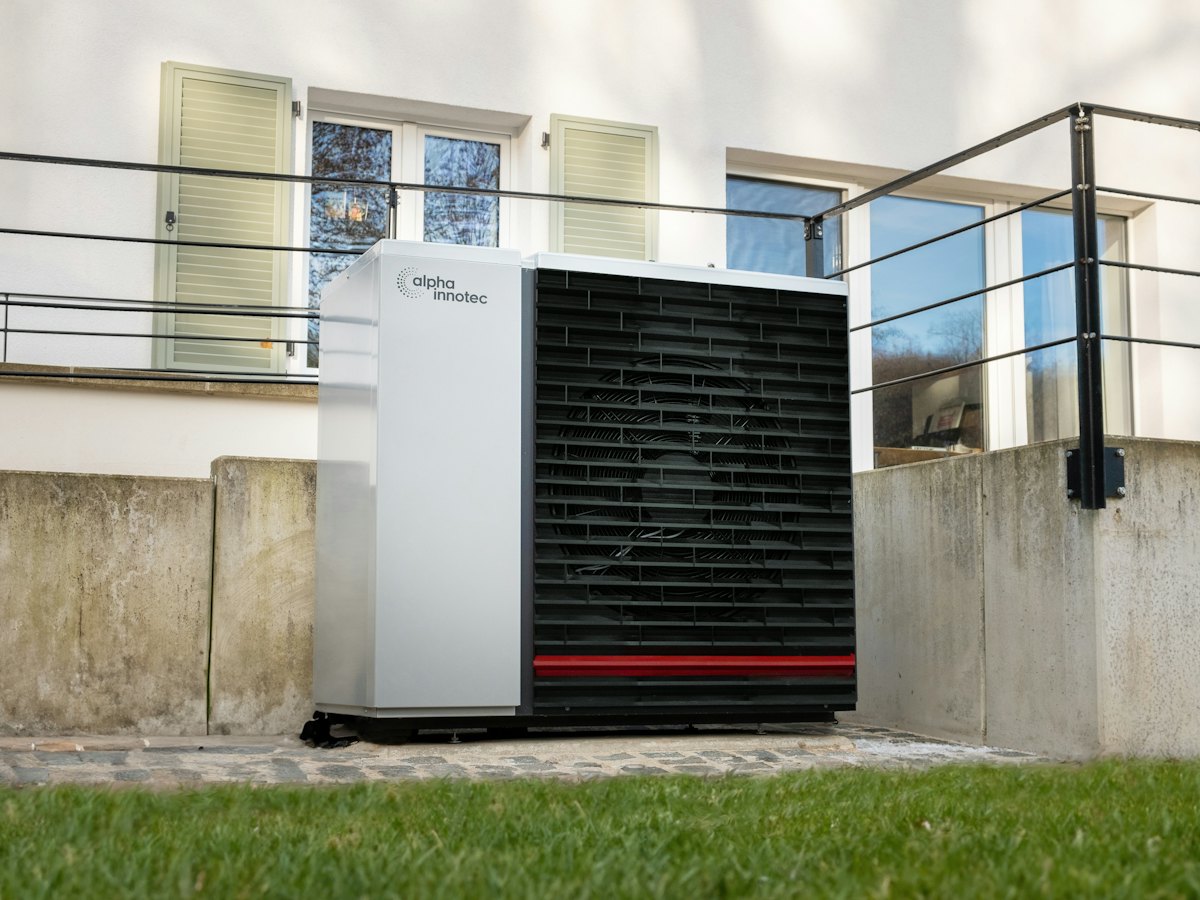
Converting doesn't have to mean removing your furnace. For most Halden homes, we recommend starting with a dual-fuel system: a heat pump handles heating down to a set outdoor temperature, and your gas furnace takes over below it. You'll cut gas use by 50–75% with no change in comfort.
A full conversion replaces the furnace with an electric air handler and backup strips. It's the right choice if you're leaving propane, getting solar, or your furnace is at the end anyway. It usually needs a 200-amp electrical service, and some older homes need a panel upgrade first.
We lay out both paths in writing with installed cost, estimated yearly operating cost at your utility rates, and rebates. Many customers start with dual-fuel and convert fully when the furnace wears out.
Signs you need this
- You heat with propane and want off the delivery truck
- Your furnace and AC are both nearing 15–20 years
- You're adding solar or an EV and upgrading electrical service anyway
- You want to use less fossil fuel without being cold
How it works
Energy review
We look at 12 months of utility bills, your equipment, ducts and electrical service.
Two paths
Dual-fuel and full electric, each with installed and operating costs.
Install
2–4 days. Electrical upgrades scheduled with our partner electricians.
First-winter check
We review your balance point and bills after the first cold month.
Common questions
Will my gas bill go to zero?
With full conversion, yes, if nothing else in the house uses gas. With dual-fuel, expect a 50–75% cut, and you'll still pay the gas meter fee.
Do I need a new electrical panel?
About half the older homes we convert do. A 100-amp service rarely has room for a heat pump with backup strips. We check on the first visit.
What happens during a power outage?
A gas furnace also needs electricity to run, so neither works without power. A standby generator can run either; a heat pump needs a larger one.