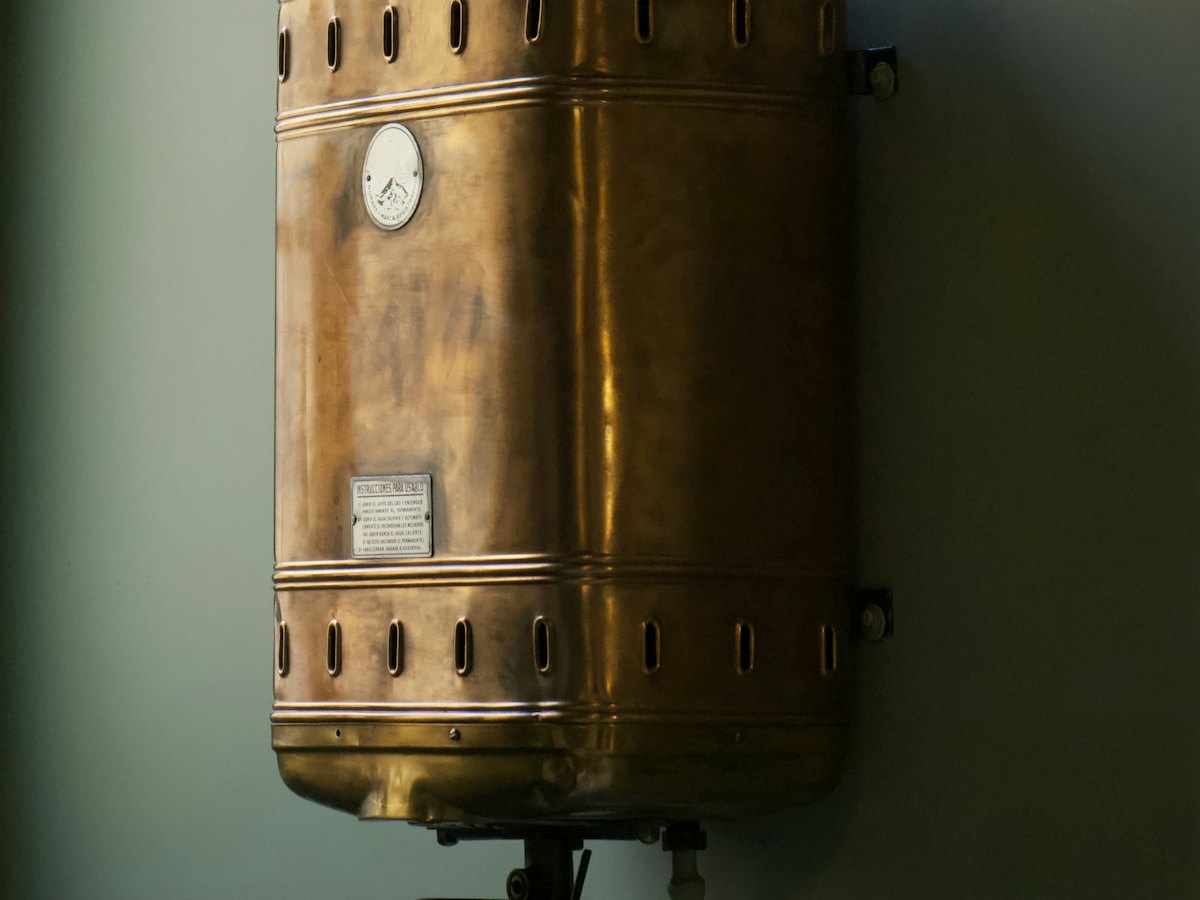
Many Halden boilers were sized decades ago for a house with single-pane windows and no insulation. Replacing one with the same size wastes fuel and money. We measure your radiators and baseboard, calculate the actual heat loss, and size to that. The new boiler is often half the size of the old one.
Most replacements are high-efficiency condensing boilers (95% AFUE), which run cooler and use outdoor reset control to adjust water temperature to the weather. On a 20°F day, your radiators run warm instead of scalding, and the boiler burns less gas.
Installation includes new near-boiler piping, a new expansion tank, venting (usually a sidewall PVC vent, which frees up the chimney), the permit and inspection. We flush the system to protect the new boiler from decades of sludge.
Signs you need this
- Your boiler is over 25 years old
- Repeated repairs in the last two winters
- Rust or water around the base of the boiler
- Your chimney liner is failing and needs costly repair
How it works
Radiation survey
We measure every radiator and baseboard run, then calculate heat loss.
Written options
Condensing and non-condensing options with installed prices and efficiency.
Install
2–3 days. Flush, pipe, vent and commission with outdoor reset.
Inspection
Permit, city inspection and warranty registration handled for you.
Common questions
Will my old radiators work with a new boiler?
Yes. Cast-iron radiators work beautifully with condensing boilers, often better, because they hold heat at lower water temperatures.
What happens to my chimney?
Condensing boilers vent through the side wall in PVC. If your water heater still uses the chimney, we'll check that the chimney liner is sized correctly for it alone.
How long do boilers last?
Cast-iron boilers often run 30–40 years. Condensing boilers typically last 15–25 with yearly service.