A cold-climate heat pump is a heat pump that keeps producing heat at temperatures that would stop a standard one. The models we install deliver full rated heat at 5°F and keep heating to −13°F or lower. In Halden, that covers about 97% of the hours in a heating season.
For the remaining few percent, the coldest nights of January, you need a plan: electric backup strips, your existing furnace (a dual-fuel setup), or a boiler. We'll tell you which makes sense for your house and your utility rates.
Sizing matters more than with a furnace. We do a room-by-room load calculation at Halden's design temperature (−20°F), check your duct sizes, and choose a variable-speed unit that can slow down in mild weather instead of cycling on and off.
Signs you need this
- Your AC and furnace are both over 15 years old
- You heat with propane or electric resistance and bills are high
- You want to use less gas without being cold
- You're adding solar panels and want to use the power at home
How it works
Load calculation
Room-by-room at −20°F design temperature. Duct and panel check.
Backup plan
Electric strips, furnace or boiler backup. We explain the cost of each.
Written options
Two or three units with low-temperature ratings, installed prices, and rebates you qualify for.
Install and tune
Install, thermostat setup, and balance-point settings so backup runs only when needed.
Common questions
Will I be cold at −25°F?
Not with a proper backup. The heat pump keeps running, and backup heat covers the gap. You won't notice the switch; your bill will show it.
Is it cheaper than gas?
It depends on your electric rate and gas price. On Halden Public Utilities' off-peak heating rate, most of our customers pay about the same or slightly less than gas, and much less than propane.
What about the outdoor unit and snow?
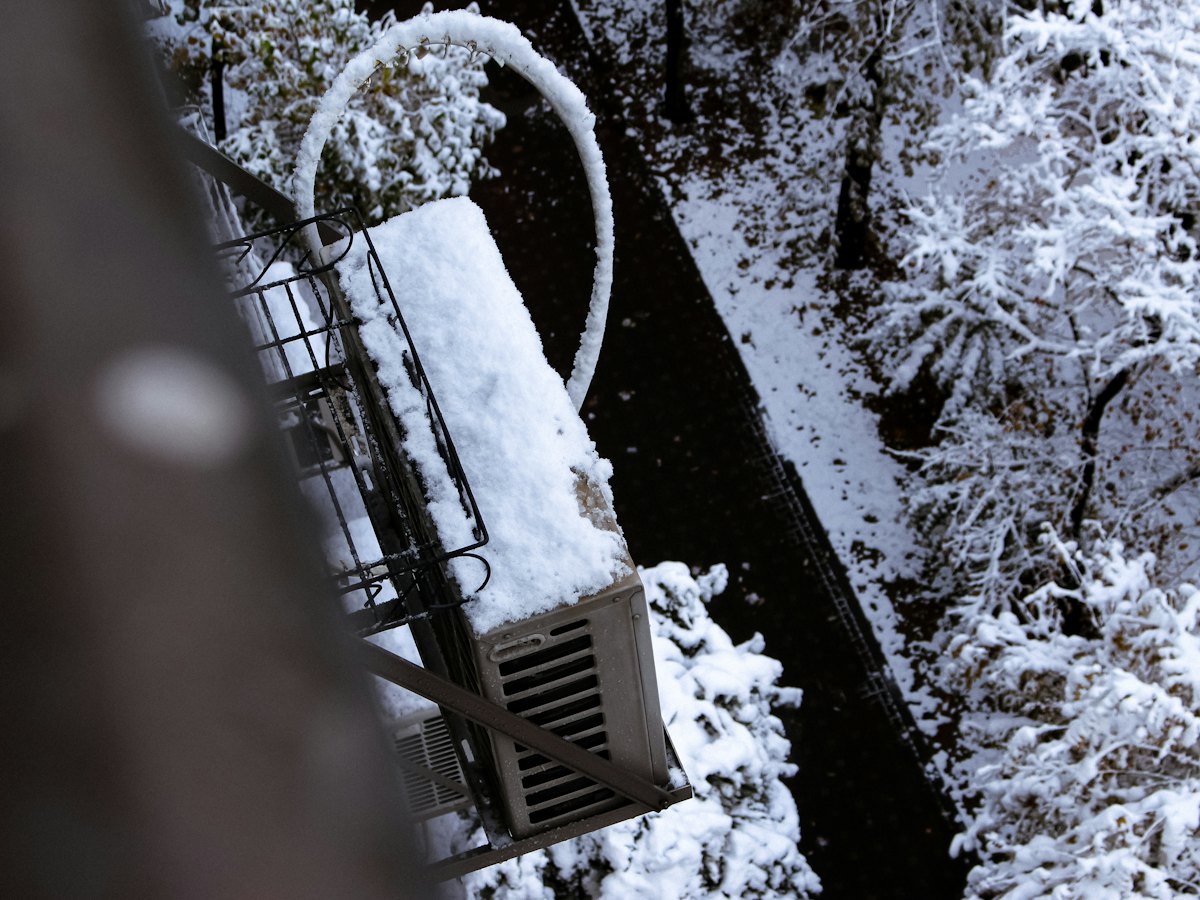
We mount it on a stand 18–24 inches up, away from roof drip lines. It defrosts itself a few times a day in cold weather; a little steam is normal.